Why Choose Ultherapy Clinic Malaysia
Ultherapy Handbook: Non-Surgical Skin Lifting for Youthful, Firm Skin
Ultherapy has risen as a widely recognized solution for those in search of non-invasive treatments for skin laxity. This cutting-edge therapy employs ultrasound technology to encourage collagen growth, addressing regions like the face and neck. It delivers authentic-looking outcomes with minimal disruption to daily life. That said, not every individual may qualify for this therapy. Understanding the key aspects of Ultherapy can help potential candidates make informed decisions about their skin care options. What key considerations should be evaluated prior to undergoing treatment?
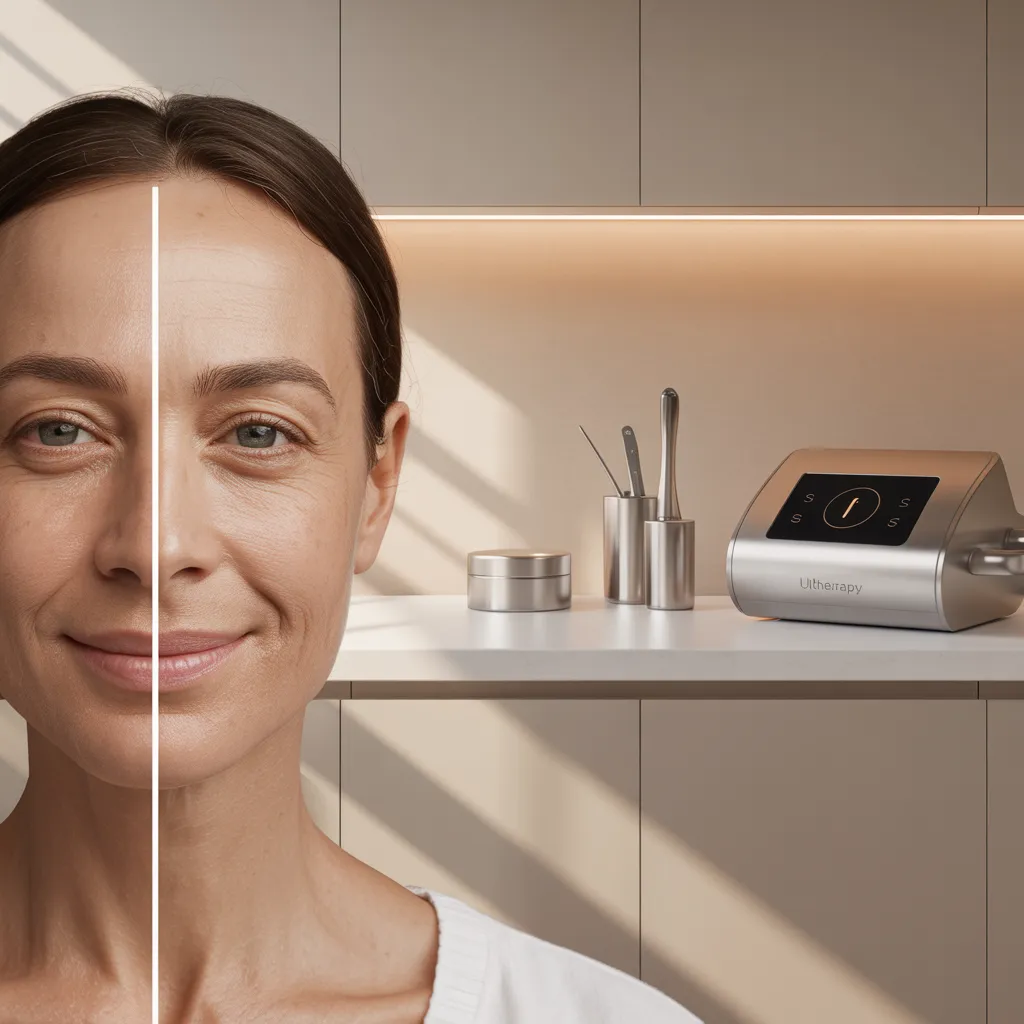
Do You Qualify as a Good Candidate for Ultherapy?
Determining whether one is a good candidate for Ultherapy encompasses a number of essential considerations. Most importantly, prospective patients ought to consider their skin elasticity and overall condition of their skin. Ideal candidates typically exhibit mild to moderate skin laxity, often seen in those aged 30 and older, though younger patients can also experience positive results. A comprehensive discussion with a skilled practitioner is vital for evaluating personal objectives and anticipated outcomes.
Medical history is an important factor; individuals with particular medical conditions or those who have received certain skin procedures may not qualify. Additionally, patients should maintain reasonable expectations regarding the results of the treatment. While Ultherapy is effective for skin lifting and tightening, it is not a substitute for surgical options. At the end of the day, anyone thinking about Ultherapy should participate in comprehensive conversations with their healthcare specialist to verify they fulfill the necessary criteria for the best results and safety.
Understanding Ultherapy: What It Is and How It Works
Ultherapy is a non-invasive treatment that utilizes ultrasound energy to promote collagen synthesis in the skin. This method effectively targets areas such as the face, neck, and décolletage to enhance skin elasticity and firmness. Understanding its treatment mechanism and the specific areas it addresses is essential for those considering this procedure.
Understanding the Treatment Mechanism
Harnessing the potential of ultrasound technology, Ultherapy offers a non-surgical solution for skin lifting and firming. This innovative treatment uses focused ultrasound waves to reach deep within the skin's layers, stimulating the foundational support structures, including the dermis and superficial muscular aponeurotic system (SMAS). By channeling accurate energy at different depths, Ultherapy encourages collagen synthesis, supporting the skin's natural renewal process. The process initiates the skin's natural healing mechanisms, enabling progressive skin lifting and tightening. Unlike traditional surgical procedures, Ultherapy involves no recovery time, relevant article making it an attractive choice for patients desiring modest yet meaningful improvements. Patients may notice improvements in skin elasticity and firmness, resulting in a more rejuvenated look without requiring invasive procedures.
Target Areas Overview
The adaptability of Ultherapy extends to multiple target areas, establishing it as a popular choice for those pursuing non-invasive skin rejuvenation. Most notably, Ultherapy focuses on the face, neck, and chest area, tackling loose skin and encouraging a tighter appearance. The treatment focuses on raising the brow, minimizing jowl appearance, and enhancing jawline definition. Furthermore, it can reliably target lines and creases, particularly near the eyes and mouth. Certain practitioners also use Ultherapy to areas including the chest and arms, further expanding its reach. By utilizing ultrasound technology, Ultherapy promotes collagen synthesis deep within the skin, offering natural-looking results over time. This targeted approach helps patients achieve refreshed, youthful skin without the need for surgery.
Advantages of Selecting Ultherapy for Skin Lifting
Ultherapy delivers significant benefits for individuals seeking skin lifting without the need for surgical procedures. Its minimally invasive approach allows for little to no downtime, making it an appealing option for people with active lifestyles. Additionally, the procedure delivers natural-looking results, revitalizing the skin's appearance while maintaining a youthful essence.
Advantages of Non-Invasive Treatment
Non-invasive methods are becoming more widely preferred due to their effectiveness in revitalizing skin without requiring surgery. Ultherapy, in particular, offers several advantages that appeal to individuals seeking skin lifting solutions. Primarily, it demands minimal recovery, permitting patients to get back to their normal activities almost instantly. This convenience is particularly attractive for those with busy lifestyles. Second, Ultherapy utilizes ultrasound technology to stimulate collagen production, promoting natural skin tightening over time. Beyond that, the procedure can be tailored, allowing professionals to address targeted areas in alignment with personal needs. As no surgical incisions or anesthesia are needed, patients benefit from a considerably more relaxed and comfortable treatment. Overall, Ultherapy presents a safe and effective option for achieving youthful, firm skin without the complexities of surgical interventions.
Natural Results You Can Count On
A large number of people looking for skin lifting solutions value results that look natural, and Ultherapy delivers just that. This advanced non-surgical treatment utilizes ultrasound technology to stimulate collagen production at the deeper levels of the skin, encouraging a gradual and subtle tightening effect. In contrast to more invasive treatments, Ultherapy avoids the overdone aesthetic commonly linked to surgical procedures. Results improve gradually for patients, as the skin progressively tightens and refreshes, improving their natural appearance without significant alteration. Additionally, the procedure allows for targeted treatment areas, providing tailored results that complement a patient's specific facial contours. All things considered, Ultherapy stands out for its ability to offer a rejuvenated, younger-looking aesthetic while maintaining the authenticity of one's natural beauty.
What Happens During Your Ultherapy Treatment?
In an Ultherapy session, patients can expect a structured method of skin lifting and tightening. The procedure starts with a detailed consultation, where the practitioner assesses the individual's skin condition and establishes the areas to be treated. Once the course of action is determined, the treatment area is prepared, usually including the use of a topical anesthetic to enhance comfort.
Following this, a dedicated ultrasound instrument is utilized to deliver precise energy into the deeper layers of the skin. This focused energy stimulates collagen production, enhancing the body's natural rejuvenation. Every pulse of ultrasound energy is precisely monitored, providing accuracy and effectiveness.
Treatment times vary depending on the areas being treated but usually span between 30 to 90 minutes. Most patients experience little to no downtime, permitting them to continue their daily activities soon after. Ultherapy results progressively become more visible throughout the subsequent weeks, as collagen continues to build and skin appears firmer and more lifted.
Common Side Effects of Ultherapy to Watch For
Ultherapy, while generally safe, can result in several common side effects that patients should be aware of. The most often noted side effects include minor redness, puffiness, and discomfort at the treatment sites. These symptoms typically resolve within a few hours to a few days post-treatment. Some individuals could additionally develop short-term bruising or mild tingling, which can last a short time.
In uncommon instances, patients might notice a sensation of skin tightness or warmth for several days following the procedure. Since these symptoms are generally minor and short-lived, it is important for patients to keep track of their symptoms and consult a healthcare provider when any discomfort does not subside or becomes more severe. Being aware of these possible side effects allows individuals to make well-informed choices and maintain realistic expectations throughout their Ultherapy journey, thereby facilitating a more seamless healing process.
How Ultherapy Compares to Other Non-Surgical Treatments
When evaluating non-surgical treatments for skin revitalization, Ultherapy sets itself apart through its unique ultrasound technology, which targets the deeper layers of the skin to stimulate collagen production. In contrast to treatments like laser therapy or chemical peels, which mainly focus on the surface, Ultherapy focuses on tightening and lifting by working on the structural layers of the skin.
This depth of treatment allows for more substantial and lasting improvements, often without the downtime associated with surgical options. Although alternative non-surgical approaches generally provide enhancements in skin texture and tone, they might not attain the same degree of lifting and tightening.
In addition, Ultherapy is suitable for a greater range of complexions and skin types, reducing the potential for discoloration concerns common with certain laser treatments. In summary, Ultherapy distinguishes itself as a versatile and effective treatment for patients pursuing substantial skin rejuvenation without the need for surgery.
Questions We Get Asked Often
What Is the Typical Duration of Ultherapy Results?
The results of Ultherapy usually last between six months to two years, influenced by individual factors such as skin condition and age. Maintenance treatments may help extend the effects and enhance overall skin appearance.
Can Ultherapy Be Paired With Additional Treatments?
Yes, Ultherapy can be paired with additional treatments, such as fillers or laser therapies. Such a combination can enhance the overall results, treating a range of skin concerns while providing a more thorough approach to skin rejuvenation.
Is Ultherapy Suitable for Every Skin Type?
Ultherapy is broadly recognized as safe for all skin types; however, individual responses may vary. Seeking guidance from a qualified professional is vital to determine suitability and achieve the best results while minimizing possible risks related to the procedure.
How Long Is the Recovery Period After Ultherapy?
Healing time following ultherapy typically ranges from a few days to a week. The majority of patients report minimal discomfort and swelling, with significant enhancements becoming apparent over the coming months as collagen production increases.
What Is the Cost of Ultherapy Treatment?
The cost of Ultherapy treatments commonly vary from $1,000 to $4,000, based on several considerations such as the treatment area, provider experience, and geographic location. Patients should consult with professionals for precise pricing tailored to their needs.