Prepare Birth Plan for greater confidence before your baby's arrival
Core Points for Establishing Your Birth Plan With a Doula
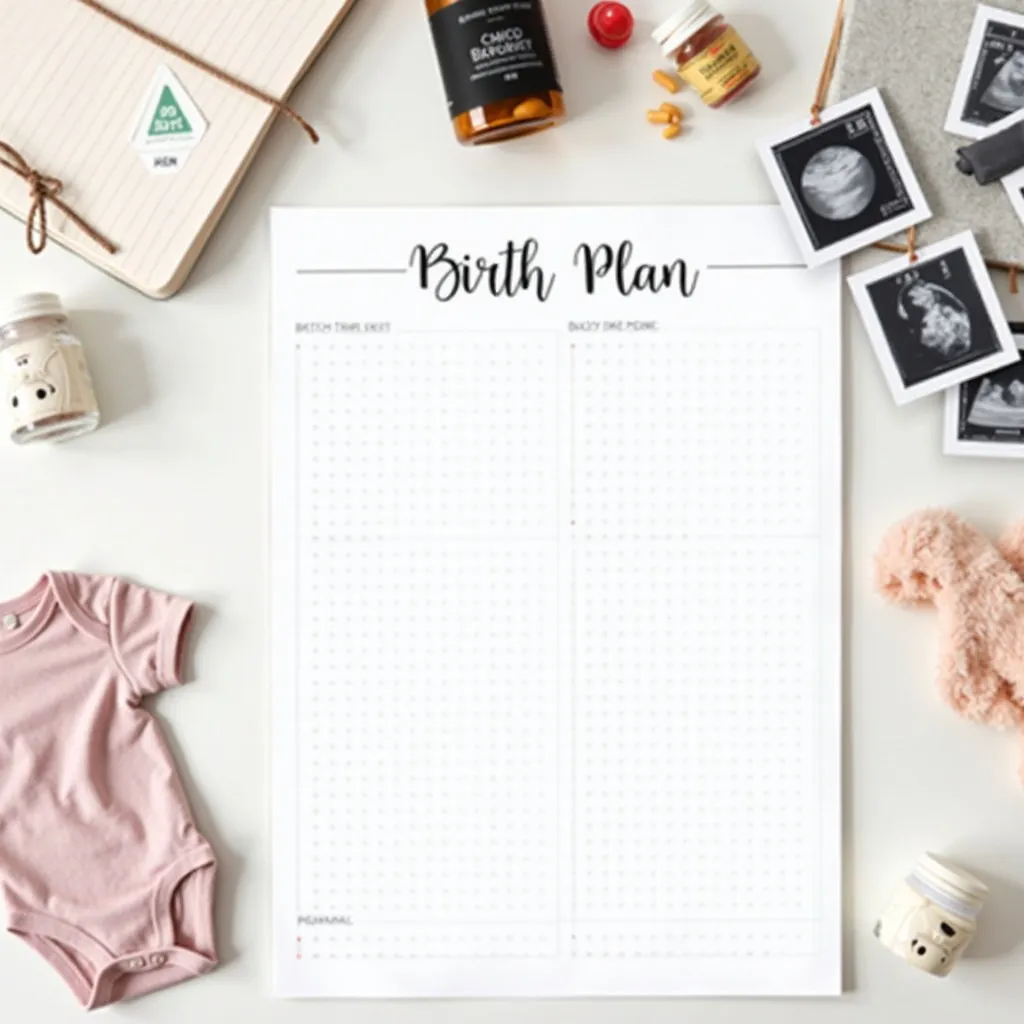
Developing a birth plan with a doula is an vital component for expectant parents. It allows them to convey their desires and ready themselves for various scenarios. Solid interaction and collaboration are critical to ensuring that the plan mirrors their preferences. By understanding the fundamentals of a birth plan, parents can handle the complexities of labor with confidence. What are the core elements that should not be overlooked?
Why a Doula Is Critical for Your Birth Plan
Although many prospective mothers and fathers might regard their birth plan a basic list, the addition of a doula can transform this document into a comprehensive roadmap for a favorable birthing experience. Doulas offer emotional and physical support, helping parents express their preferences and navigate the complexities of labor. Their expertise can improve dialogue between the birthing team and the parents, guaranteeing that everyone is aligned with the birth plan.
A doula's attendance may diminish anxiety, offering reassurance and comfort in labor. They empower parents through evidence-based information, allowing them to make informed choices. Furthermore, a doula supports pain management techniques and encourages a nurturing environment, which can result in positive outcomes. Expectant parents can design a more personalized and supportive birth plan by involving a doula, cultivating a positive atmosphere that emphasizes emotional and physical well-being of the birthing individual.
Primary Features of a Birth Plan
A carefully planned birth plan functions as an crucial guide for expectant parents, presenting their preferences and expectations for labor and delivery. It should commence with the fundamentals, including the location of birth, whether it be a hospital, birthing center, or home. Parents ought to reflect on their desired support team, specifying who will be there during childbirth.
Moreover, the birth plan needs to address pain management techniques, including medication choices or alternative methods such as breathing methods and hydrotherapy. Additionally, it is important to communicate intentions about interventions, like episiotomy or the use of forceps.
Parents ought to contemplate immediate post-birth wishes, including skin-to-skin contact and breastfeeding intentions. Finally, the plan should be flexible, acknowledging that circumstances can change during labor. Engaging a doula can help guarantee that the birth plan reflects the family's values while remaining adaptable to the unfolding experience.
Important Factors to Consider in Your Delivery Plan
What aspects should expectant parents focus on when planning their birth plan? Primarily, grasping their inclinations about pain management is crucial. They should review options such as epidurals, natural methods, or a combination. In addition, the environment where the birth will take place—hospital, birthing center, or home—should reflect their comfort levels and values.
A further significant dimension is the role of supportive individuals operate in childbirth, such as partners, family, and doulas. Expectant parents ought to consider how they envision these folks playing a role in the birth process.
Likewise, parents should consider corresponding information carefully their tastes for interventions, such as the use of labor stimulation, persistent tracking, or cesarean delivery. Finally, it's significant to ponder immediate postpartum strategies, including direct physical contact and infant nutrition options. By underscoring these factors, expectant parents can produce a well-planned birth plan that syncs with their values and expectations.
Clearly Communicating Your Preferences
Communicating preferences effectively is vital for expectant parents developing their birth plan. Clear articulation of objectives helps confirm that all participants—medical staff, partners, and doulas—grasp the parents' vision for the birthing experience. Parents can start by enumerating their priorities, such as pain relief options, labor positions, and newborn care protocols. Using plain speech and eliminating vague terms can further improve understanding.
Visual resources or written records may assist in conveying main preferences briefly. Parents should also consider discussing their choices in a calm and confident manner, fostering an atmosphere of collaboration and respect. It is important to recall that flexibility may be necessary, as circumstances can change during labor. By creating clear communication from the start, expectant parents can create a caring setting that honors their wishes while being open to the dynamic nature of childbirth.
Talking About Your Preferences and Scenarios With Your Doula
How can prospective guardians make sure their inclinations are entirely understood by their labor companion? Direct communication is indispensable. Parents should schedule allotted time to explore their childbirth choices, confirming a in-depth understanding of their desires and concerns. This conversation should address different possibilities, encompassing pain management options, labor positions, and immediate postpartum care.
In addition, parents are able to draft a written document detailing their choices, which acts as a reference for both the doula and the medical team. This document should be accommodating, permitting modifications as circumstances change during labor.
Engaging in different scenarios can be advantageous; it helps parents express their needs while getting ready for unexpected situations. Ultimately, frequent meetings with the doula throughout the pregnancy can reinforce understanding, building a supportive partnership that emphasizes the parents' vision for their birth experience. Clear communication lays the foundation for a positive and empowering birth journey.
Commonly Asked Questions
Does a Doula Offer Post-Birth Assistance?
Doulas are able to deliver significant postpartum support, supplying emotional reassurance, hands-on help, and resources for new parents. Their presence helps manage the challenges of early parenthood, encouraging a more seamless progression into family life.
How Can I Locate the Perfect Doula To Support Me?
To select the ideal doula, one should consider qualifications, experience, compatibility, and personal philosophy. Interviews and references are crucial to ensure a good match, as comfort and trust play critical roles in the birthing experience.
What if My Birth Plan Changes Without Notice?
Should a birth plan change unexpectedly, flexibility is crucial. Accepting adaptability permits parents to navigate unforeseen circumstances, ensuring they stay informed and supported by their doula, who can provide comfort and support throughout the journey.
Do Doulas receive training in Clinical Procedures?
Doulas have not undergone training in medical operations; their responsibility emphasizes emotional and physical support during labor. They provide supportive techniques, knowledge, and advocacy, fostering a constructive delivery experience while operating alongside healthcare practitioners.
How much does a doula typically cost?
A doula typically charges between $800 and $2,500, based on factors such as experience, location, and services offered. This expense often includes prenatal meetings, continuous labor support, and postpartum assistance, improving the birthing experience.