Complete Guide to Home Paternity Test
The Growth of At-Home Paternity Testing: Precision, Confidentiality, and Ease
The growing popularity of home paternity tests highlights a considerable transformation in how people approach paternity confirmation. With precision levels frequently surpassing 99%, such tests offer a accessible means for collecting DNA samples. However, underlying worries regarding privacy about DNA data continue to exist. As more people explore these tests, it is important to weigh the impact of privacy, accuracy, and emotional impact. What elements should they focus on in their decision-making process?
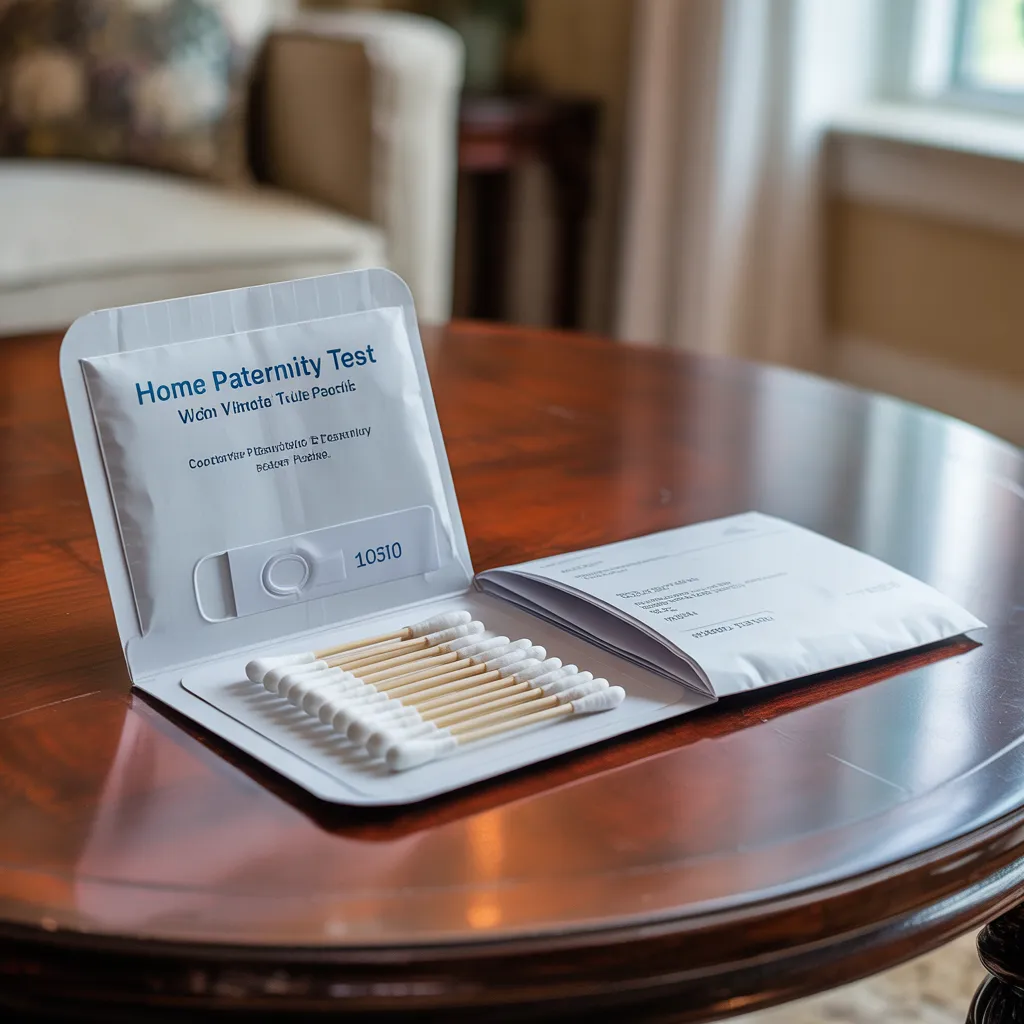
How Do At-Home Paternity Tests Work?
At-home paternity tests generally operate via a simple procedure that involves gathering DNA specimens. People are provided with a test kit that includes swabs for collecting cheek cells, typically from the potential father and child. Individuals are directed to carefully swab the interior of their cheeks to gather sufficient DNA material. Once the specimens have been gathered, they are placed in designated containers before being mailed to a lab for copyrightination.
At the laboratory, the DNA is isolated and studied to pinpoint particular genetic indicators. The copyrightination contrasts the DNA profiles of the child and the alleged father to confirm paternal relationship. Results are usually available within a few days, and the method is crafted to be user-friendly, guaranteeing little inconvenience. Home testing convenience attracts numerous individuals, permitting individuals to obtain clarity in the seclusion of their own home. This procedure highlights the copyrightination's increasing recognition as a trustworthy solution for confirming paternity.
How Accurate Are Home Paternity Tests?
How dependable are at-home paternity tests for identifying biological connections? Typically, these tests are designed to provide a high degree of accuracy, frequently surpassing 99% when performed properly. They analyze DNA samples from the alleged father, child, and sometimes the mother, comparing genetic markers to establish a relationship. However, the accuracy can be influenced by factors such as sample contamination or improper handling.
Many home tests utilize sophisticated methods akin to those in clinical laboratories, yet they may lack the strict quality control linked to professional testing. In addition, results can vary between different brands or kits, emphasizing the importance of identifying a reputable provider. While home paternity tests can offer a clear suggestion of genetic connections, individuals should exercise discretion, considering that significant emotional and legal ramifications may result from the findings. At the end of the day, for absolute certainty, seeking guidance from an explore the details accredited lab is strongly encouraged.
What Are the Privacy Concerns?
While home paternity tests offer an accessible means of determining genetic connections, they also introduce significant privacy concerns. The acquisition and processing of genetic data, often in the form of saliva or cheek swabs, can lead to unlawful access or exploitation. Numerous providers fail to ensure the confidentiality of submitted samples, exposing individuals to the risk of privacy violations.
Additionally, the findings may be shared with third parties without explicit consent, amplifying worries of stigmatization or prejudice. Users may also be not fully aware of how their genetic information will be kept or potentially utilized for research objectives.
Additionally, the emotional implications connected to unforeseen outcomes can create additional challenges within the privacy framework. Taken together, while these tests provide convenience and broad access, the shortage of robust regulatory frameworks and openness in how data is managed brings forth significant concerns about the privacy rights of individuals and control over their own genetic information.
In What Ways Do Test Results Influence Emotions?
The emotional fallout from paternity test results can be profound and far-reaching. Individuals may experience a spectrum of reactions, ranging from relief and joy to anger and betrayal. For certain individuals, a positive match can confirm deeply held convictions, fostering a feeling of belonging and stability. Conversely, a negative result may lead to a sense of confusion, disbelief, and sorrow, particularly if a family relationship is called into question.
These emotions often spread beyond the individual to influence bonds within the family unit. Parents may grapple with guilt or fear concerning what this means for their children, while brothers and sisters may experience shifts in their perceptions of family dynamics. Additionally, societal stigma may intensify these emotions, as people manage the social pressures related to parenthood. In the end, the emotional toll of paternity test results differs considerably, highlighting the complex interplay between sense of self, trust, and psychological wellness.
Important Factors to Consider When Choosing a Home Paternity Test
Working through the emotional landscape after paternity test results frequently causes people to contemplate their next steps carefully, particularly when deciding on a home paternity test. Several key factors require careful thought to guarantee a reliable and satisfactory outcome.
To begin, accuracy is paramount; users should pursue tests that demonstrate strong sensitivity and specificity ratings. Following this, simplicity of use is fundamental; a simple gathering process can ease concerns. Data protection is also a critical factor; reputable companies should guarantee secure handling of personal data and results.
Expense is also a key factor; those considering the service should measure the fee against the test's legitimacy and available support. Lastly, customer reviews and testimonials provide insights into the experiences of others, helping individuals work through the various alternatives. By evaluating these factors, users can reach thoughtful conclusions that suit their specific needs and standards.
Common Questions and Answers
Can Home Paternity Tests Be Used as Legal Evidence in Court?
At-home paternity tests are generally unable to be used as legal evidence in court due to concerns about accuracy and the lack of standardized procedures. Courts typically require tests conducted by accredited laboratories for reliable legal evidence in paternity cases.
What Is the Turnaround Time for Home Paternity Test Results?
Home paternity testing results usually take between three to five days to process. Some companies offer expedited services, shortening the processing time to approximately 24 hours, depending on the specific testing method used.
Is Retesting an Option if I'm Uncertain About My Results?
Certainly, people can take the test again if unsure of their results. It is best to allow some time to pass before repeating the test to confirm reliable results. Seeking professional advice can also offer insight into the most appropriate course of action.
What Samples Are Needed for Home Paternity Tests?
At-home paternity tests usually call for oral swab samples from the child as well as the potential father, though some kits may also accept blood samples. Proper collection and handling of these samples are essential for accurate results.
Do Age Restrictions Apply When Testing Children?
There are typically no particular age limitations when testing children using home paternity tests. Nevertheless, securing consent from a legal guardian is generally necessary, guaranteeing that the child's rights and personal privacy are honored throughout the procedure.