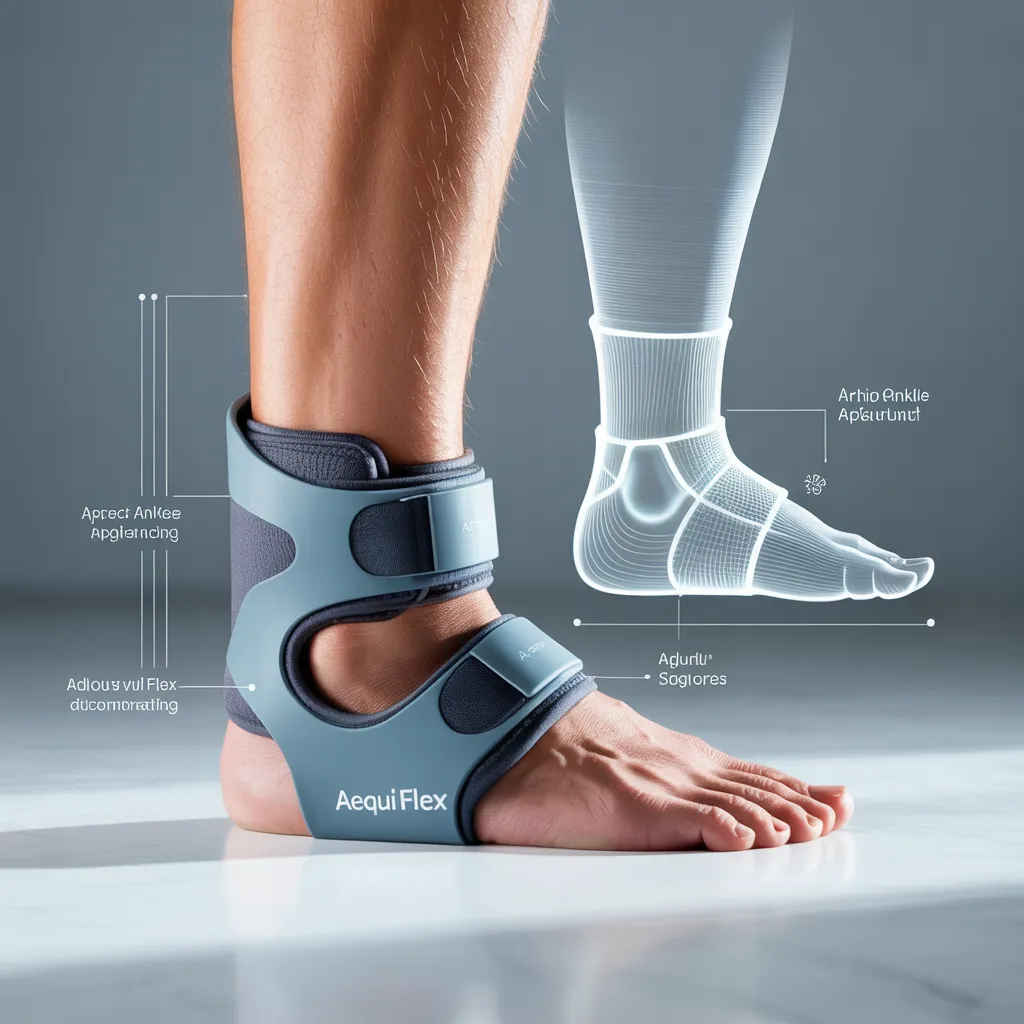
Aequi Flex Ankle Brace for Injury Recovery
DIY Ankle Support: When to Seek Professional Orthopaedic Solutions
DIY ankle support can be an effective option for small-scale injuries. Nevertheless, not all ankle concerns are ideal for self-care solutions. A number of injuries could necessitate expert medical attention. Understanding when to look for professional care is crucial. Elements including swelling, pain levels, and range of motion heavily influence this decision. Recognizing these elements can help people find an optimal recovery approach. What signs should one look for before reaching out to a specialist?
What Are Typical Ankle Injuries and Their Available Treatments?
Ankle injuries rank among the most common musculoskeletal conditions, commonly arising from sports-related events or routine mishaps. Frequent injuries encompass sprains, fractures, and tendonitis. Ankle sprains happen when ligaments become stretched or torn, commonly triggered by unnatural landings or accidental slips. Treatment typically incorporates the RICE method: rest, ice, compression, and elevation, in addition to physical therapy for a full recovery.
Fractures, which involve breaks in the ankle bones, can result from severe trauma. Such conditions commonly call for the use of a cast or brace to ensure immobilization, and in some cases, surgical intervention may be necessary for proper alignment. Tendonitis, which involves inflammation of the tendons, is frequently seen in athletes. Care usually consists of rest, icing, and anti-inflammatory medications, supplemented by rehabilitation exercises to rebuild strength and flexibility. Familiarity with these frequent injuries and their treatment options can facilitate effective management and recovery, lowering the chance of long-term complications.
Benefits and Drawbacks of DIY Ankle Support
When considering the application of DIY ankle support, people frequently consider several advantages and disadvantages. A notable benefit is the cost savings; homemade solutions can be far less expensive than commercially helpful information available options. Additionally, DIY solutions provide adaptability, enabling individuals to tailor the support to their specific needs and preferences.
Despite this, there are important shortcomings. A lack of expert direction may result in insufficient support or incorrect application, potentially worsening physical injuries. Self-made alternatives may not offer the same degree of stability and protection as expertly crafted products, which are often based on extensive research and testing. Furthermore, users could miss fundamental problems that demand clinical assessment, resulting in a slower healing process. All things considered, while at-home ankle support can be beneficial in some instances, a thoughtful assessment of its drawbacks is essential for successful injury treatment and healing.
How Serious Is Your Ankle Injury? Key Signs to Watch For
How can someone identify the extent of an ankle injury? The evaluation begins with assessing the level of pain. If the pain is severe, it may suggest a more serious injury, such as a break or serious sprain. Swelling and bruising are also key indicators; significant swelling or discoloration can suggest damage to underlying ligaments or bones.
Range of motion should be examined as well; trouble supporting weight or rotating the ankle might require additional examination. An observable abnormality, including an irregular contour or placement, often signifies a serious injury, demanding urgent clinical assessment.
In addition, tingling or numbness in the toes or foot may suggest nerve involvement, raising concern for complications. Those affected should keep a close watch on these symptoms, as early recognition of a significant injury can enable more effective treatment and a smoother recovery.
How to Know When to Consult an Orthopedic Specialist
Understanding when to seek the guidance of an orthopedic physician is important for proper ankle healing. Continued discomfort, a restricted range of motion, and significant swelling or bruising are key indicators that call for professional consultation. Prompt consultation can aid in preventing additional complications and provide the right course of treatment.
Chronic Pain Symptoms
Ongoing pain in the ankle can reveal deeper problems that require professional attention. Patients experiencing ongoing discomfort, despite rest and self-care measures, may be well-served by speaking with an orthopedic specialist. This pain may arise from numerous origins, including tendon damage, ligament damage, or inflamed joints. If the pain is accompanied by swelling, bruising, or difficulty bearing weight, these symptoms strongly signal the need for expert examination. Early treatment can avoid further complications and support effective therapeutic approaches. Furthermore, chronic pain may interfere with everyday activities and general well-being, making it crucial to tackle these concerns without delay. Pursuing professional consultation provides an thorough assessment and suitable treatment customized for the person's particular circumstances.
Reduced Range of Motion
A reduced range of motion in the ankle can substantially hinder routine functions and physical capability. Patients may have difficulty to perform essential movements such as engaging in sports, walking, or navigating stairs. This condition can stem from a number of sources, including prior injuries, arthritis, or tendonitis. When a person notices a considerable decline in mobility or has difficulty moving the ankle in particular ways, it may be time to consult an orthopedic specialist. Prompt treatment can reduce the risk of further problems and promote effective rehabilitation. A professional can perform a detailed examination and identify effective treatment approaches, facilitating a return to full mobility and preventing long-term disability. Recognizing these signs is critical for maintaining an active lifestyle.
Issues with Swelling or Bruising
While minor swelling or bruising may resolve with rest and ice, individuals should be cautious, as these symptoms can indicate more serious underlying issues. Persistent or worsening swelling could signal a fracture, ligament tear, or other significant injury. Should bruising seem widespread, expand quickly, or come with intense pain, seeking prompt medical care is recommended. Additionally, individuals should consult an orthopedic specialist if they experience difficulty bearing weight, a feeling of instability, or if the swelling does not subside after a few days of home treatment. Timely intervention can help avoid complications and support a more efficient healing process, making sure underlying concerns are resolved before they develop into long-term problems. Obtaining expert guidance is critical for the best possible healing outcome.
DIY Compared to Professional Ankle Support Solutions
The contrast between DIY ankle support techniques and professional solutions underscores varying levels of effectiveness and financial implications. While DIY methods may provide temporary relief, recognizing signs that indicate a need for professional intervention is essential. Carefully weighing these elements can assist people in selecting the most fitting solution to address their personal requirements.
Efficacy of DIY Support
Evaluating the effectiveness of DIY ankle support compared to professional solutions uncovers notable distinctions in quality and dependability. DIY bracing commonly employs makeshift materials and approaches, which can prove inadequate in providing proper stabilization or compression. By comparison, professional solutions are engineered with precise anatomical factors in mind, providing superior support across multiple conditions, including sprains and chronic instability.
In addition, professional solutions undergo rigorous testing for durability and performance, providing users with a sense of security. Although DIY approaches may provide short-term relief, they frequently fall short of providing the customized fit and support needed for proper recovery. In the end, those looking for reliable ankle support should carefully consider the potential drawbacks of DIY methods in comparison to the advantages of choosing professional solutions.
Telltale Signs You Need Help
How can one determine when it becomes necessary to seek professional help for ankle care? Multiple signs point to the fact that home remedies may be insufficient. Ongoing pain, inflammation, or weakness in the ankle after attempting home remedies points to a more significant concern. If movement is significantly restricted, or if ankle strength continues to diminish, seeking expert assessment is necessary. Additionally, any visible deformities or an inability to bear weight warrant immediate medical attention. If signs of discomfort persist beyond several days, reaching out to a specialist in orthopaedics is advisable. Timely treatment can help avoid additional problems and facilitate effective treatment. Recognizing these signs can guide individuals toward appropriate care, ensuring that their recovery is both safe and efficient.
Financial Considerations for Care
Recognizing when to seek professional help for ankle issues often leads individuals to weigh their options between DIY solutions and professional care. Self-managed ankle care, commonly utilizing braces or wraps, usually involves low expenses, making it a popular selection for a wide range of people. However, these solutions may not address underlying issues effectively. On the other hand, expert orthopaedic treatment tends to be substantially costlier, encompassing consultations, diagnostic imaging, and tailored treatment plans. While the initial investment is higher, professional care may prevent long-term complications and additional expenses due to untreated injuries. Ultimately, the decision copyrights on individual circumstances, including the severity of the injury, financial resources, and the value placed on thorough care versus immediate, cost-effective solutions.
Top Practices for Recovering from an Ankle Injury
Rehabilitating after an ankle injury demands a structured approach to guarantee optimal healing and restore mobility. In the beginning, the RICE method—resting, icing, compression, and elevation—should be utilized to minimize swelling and pain. A gradual return to movement is essential; mild range-of-motion movements can enhance flexibility and reduce stiffness.
After the acute phase, strengthening exercises targeting the surrounding muscles can support recovery, enhancing stability and reducing future injury risk. Balance training, like one-legged standing exercises, further supports rehabilitation.
It is vital to pay attention to the body, steering clear of movements that cause pain. Adequate hydration and nutrition also play significant roles in recovery.
Should progress halt or discomfort continue, consulting a healthcare professional is advisable. By adhering to these best practices, patients can maximize their rehabilitation outcomes and support a successful return to everyday activities.
Commonly Asked Questions
Can Ice Be Used for Ankle Pain Relief at Home?
Yes, ice can be used at home for ankle pain relief. The application of ice helps reduce swelling and alleviate pain. This method is commonly suggested for acute injuries, with each session lasting 15-20 minutes repeated every few hours for optimal relief.
Which Materials Work Best for DIY Ankle Support?
Elastic bandages, neoprene, and foam padding serve as excellent materials for homemade ankle support. These provide compression, warmth, and cushioning, enhancing stability while allowing for flexibility during movement, rendering them appropriate for temporary comfort and stabilization.
How Much Time Should I Spend Wearing a Homemade Ankle Brace
A DIY ankle brace is generally recommended to be worn between 24 and 48 hours after sustaining an injury, or until the swelling has gone down. That said, each person's recovery timeline may be different, and consulting a healthcare professional for personalized advice is strongly encouraged.
Can I Do Exercises to Strengthen My Ankle at Home?
Yes, there are various home exercises that can strengthen the ankle. These exercises include resistance band exercises, ankle circles, heel raises, and toe taps. Regular practice can enhance stability and lower the risk of injury over time.
What Signals Show My DIY Support Is Failing?
Indicators that self-managed support is ineffective include ongoing pain, inflammation, instability, restricted movement, or deteriorating symptoms. If these issues continue despite home care, it is recommended to seek expert orthopaedic guidance for comprehensive assessment and appropriate treatment.